Rolsztance
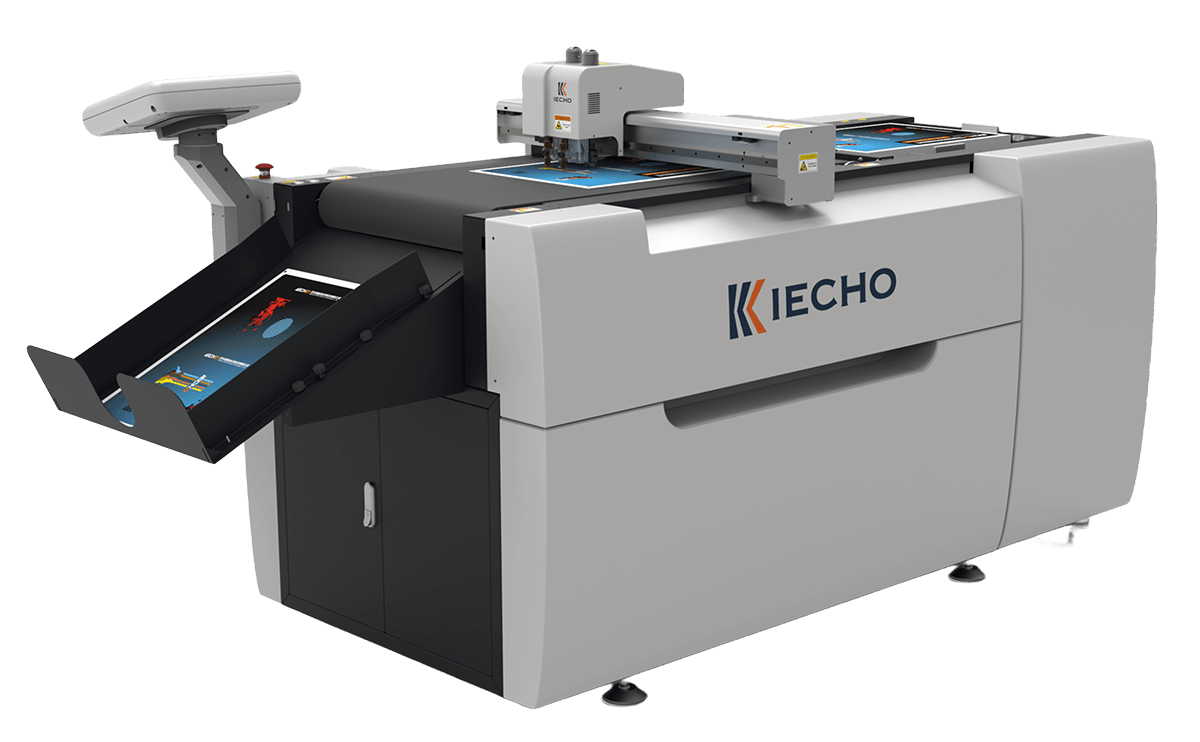
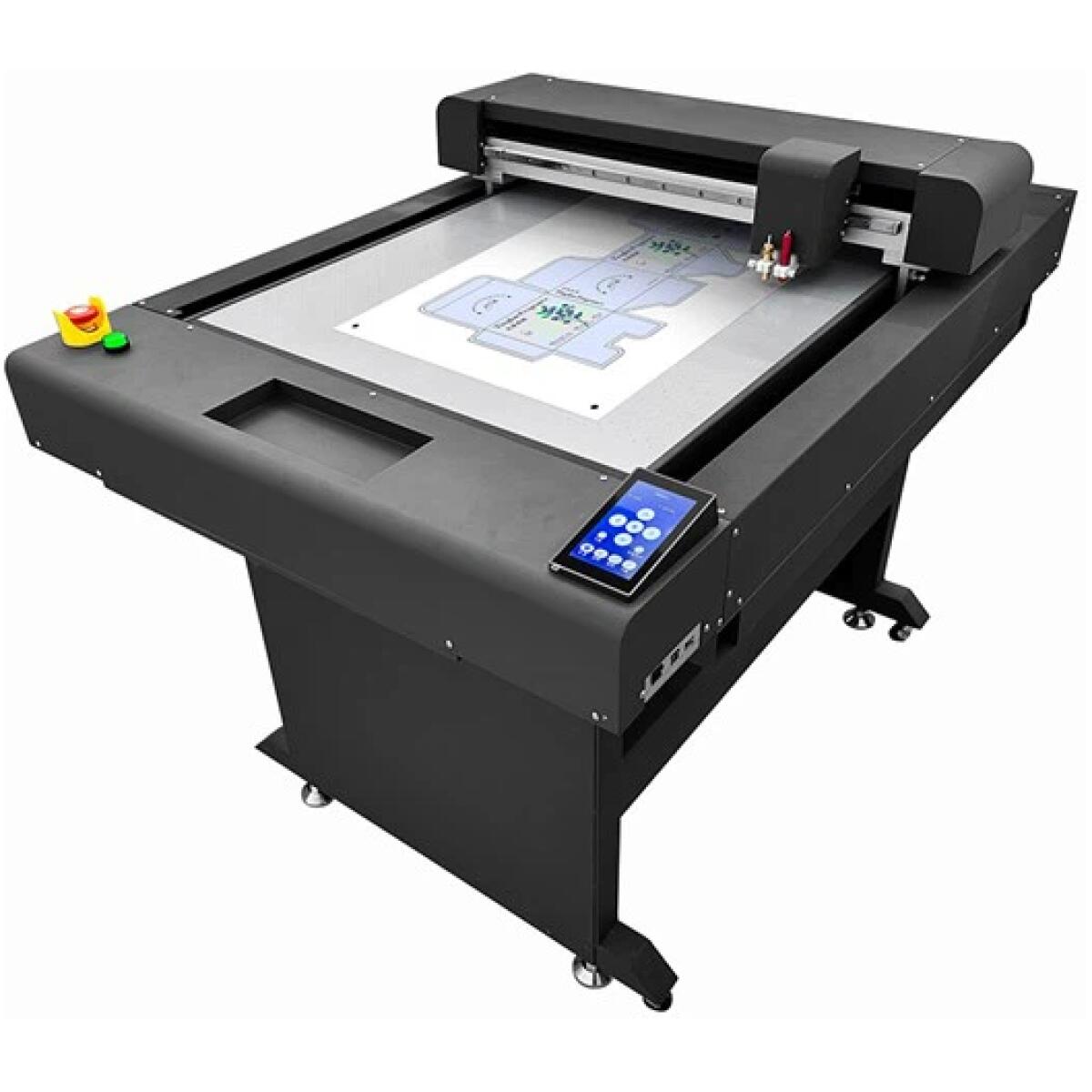
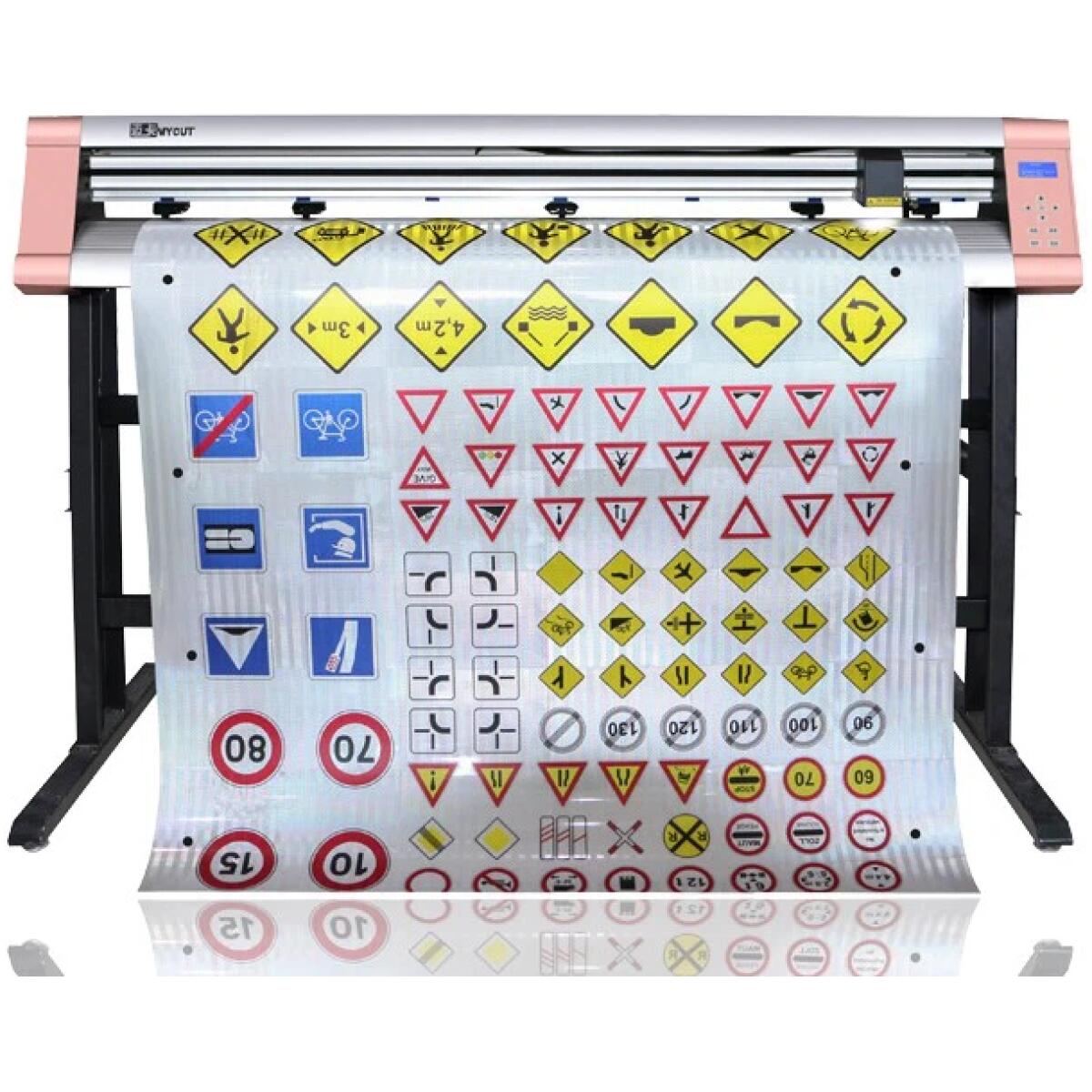
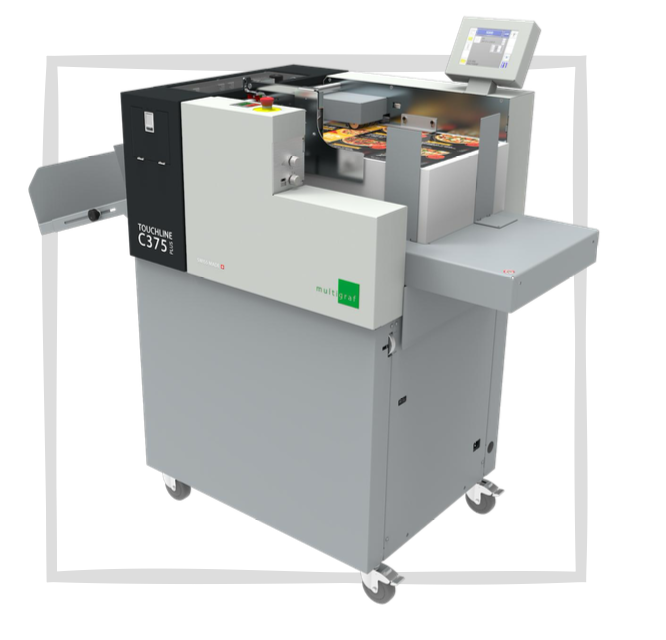
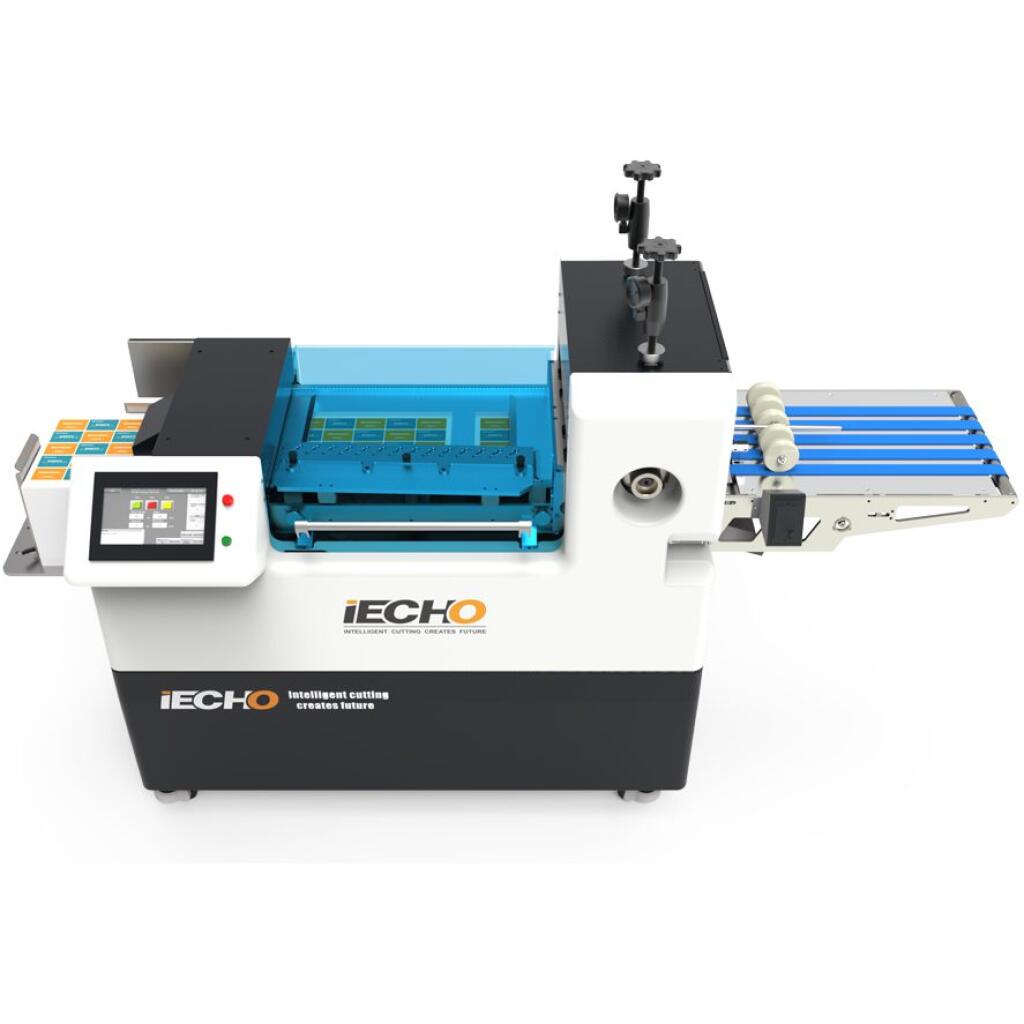
The rollformers allow you to cut any shape using a die-cutter. We offer models ranging from manual to full automatic machines.
In order to get a finished product with a certain shape of cardboard sheets, it is necessary to cut them with a die-cutting machine. For this purpose a die-cutting machine is used, where the shape is cut out of the sheet by pressing it, with a large (from several to several hundred tons) force to the die-cutter. It is important to be able to regulate the pressure precisely because, too much pressure can lead to early wear or even destruction of the die-cutter.
Contact our company to get detailed information about the roller conveyor. We will help you choose the optimal machine for your needs
and we will tell you about the available product range. Knowledge of the customer's needs always translates into professional support from our side, not only in the field of punching machines.
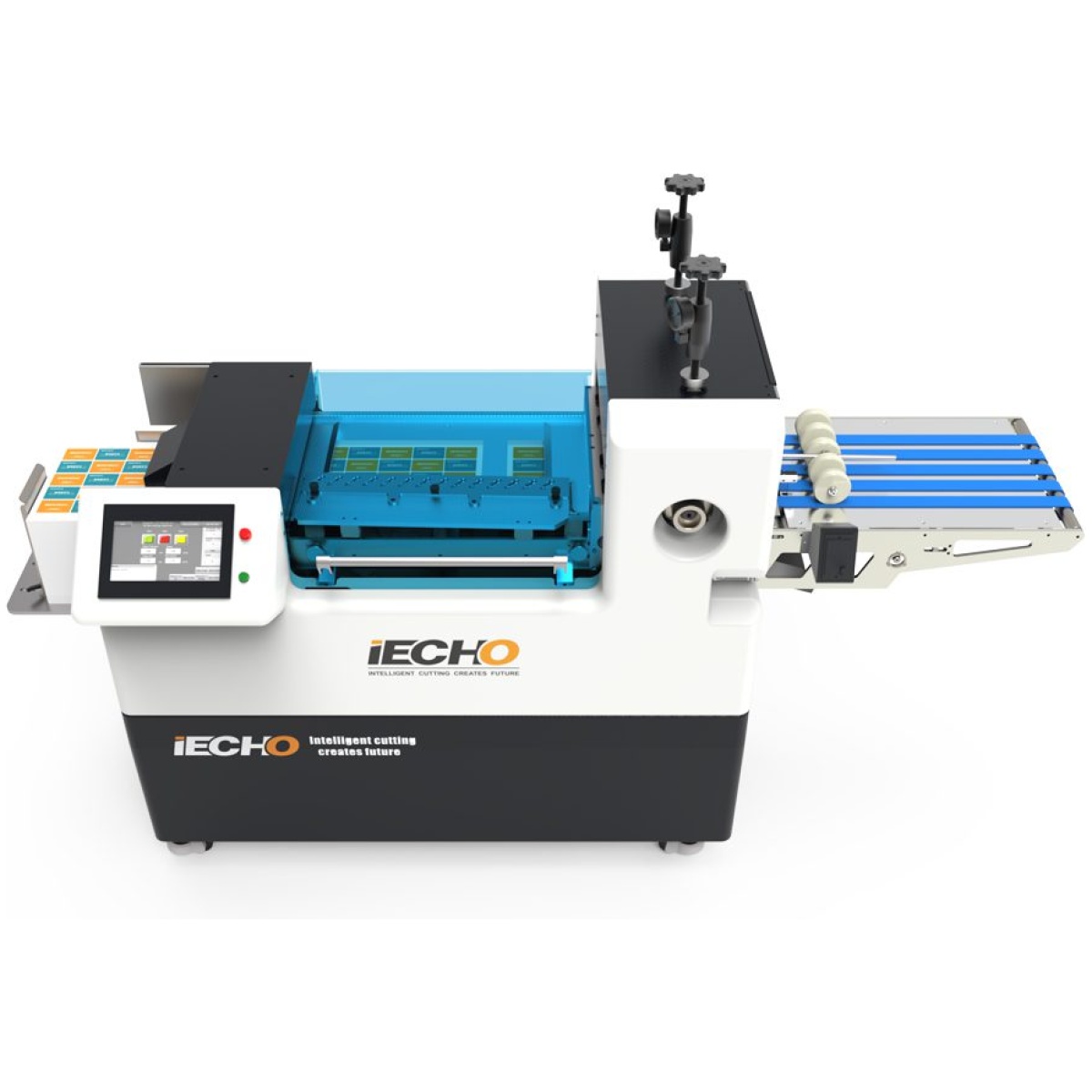
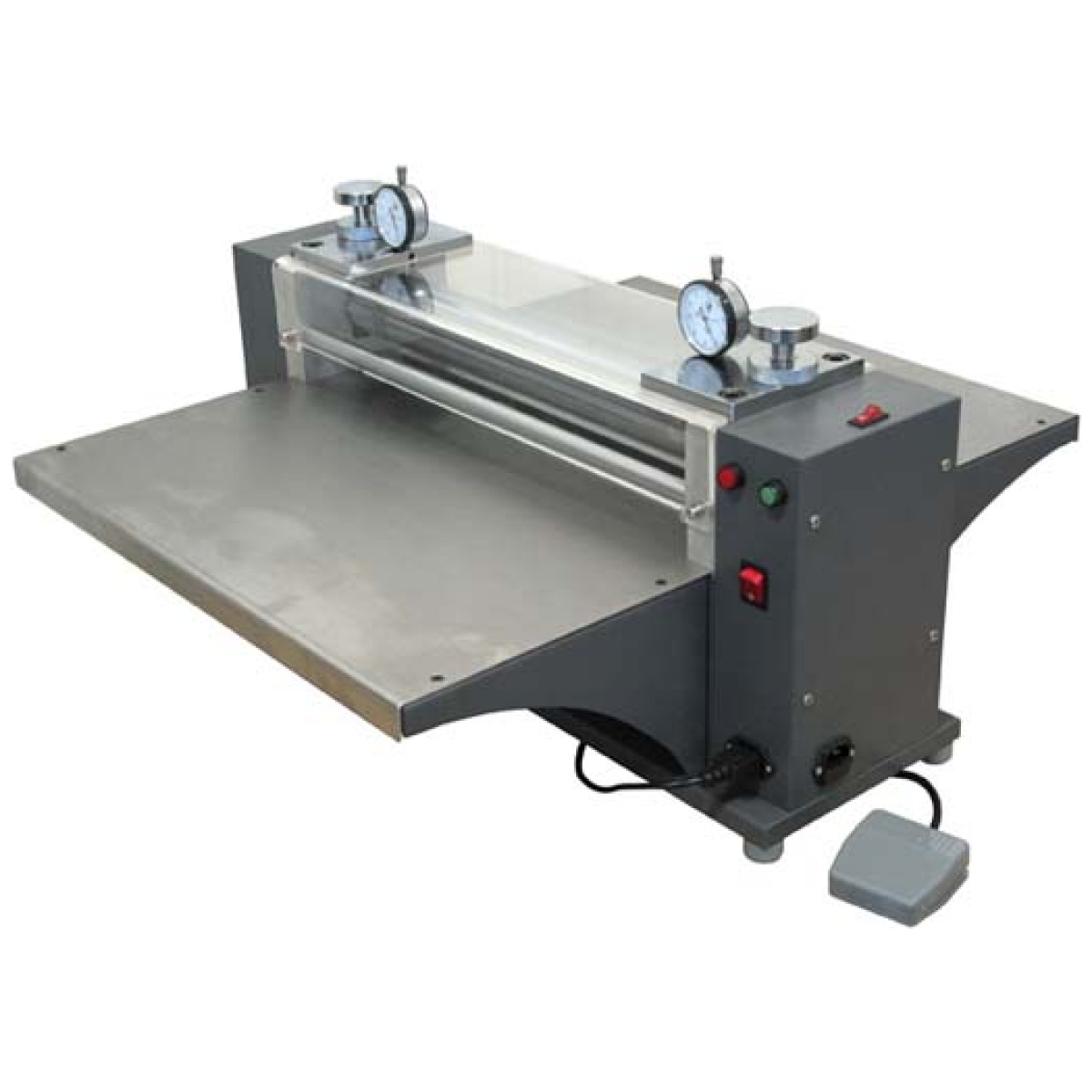
What is a rollover and how does it work?
The rollformer is an advanced industrial device that uses rotary die-cutting technology to precisely cut shapes from a variety of materials. Unlike the traditional flat bar, the rollformer uses cylindrical dies and a rotary mechanism, which ensures a continuous production process and much higher productivity.
The die-cutting process in a rollformer involves running the material between two rollers - a die-cutting roller and a pressure roller. The material is cut continuously, allowing long sheets or rolls of material to be processed without interruptions in production.
Applications of roller blades in various industries
Production of cardboard packaging Rollstock plays a key role in the manufacture of pizza boxes, food packaging and other corrugated cardboard products. Their ability to process 3.5 and 7-ply paperboard makes them indispensable in the packaging industry.
Printing industry In printing houses, rollershapers are used for die-cutting promotional materials, labels and items with unusual shapes. The kiss cut technology allows for partial cutting of the material, which is particularly useful for the production of stickers.
Paper and cardboard processing Cylindrical punching machines are ideal for processing a variety of paper materials, from thin paper to thick cardboard, providing precise punching while maintaining a high quality cutting edge.
Types of rollstock and their characteristics
Hand rollers Basic models requiring operator support, ideal for small plants and prototype production. They feature lower purchase and operating costs while maintaining good punching quality.
Semi-automatic rollstock Machines that combine automatic material feeding with manual operation of some functions. They represent a compromise between performance and cost, offering higher productivity than manual models.
Automatic rollerskates Advanced production systems that provide full automation of the punching process. They feature the highest productivity and precision, ideal for large manufacturing plants.
Key technical parameters
Working width Determines the maximum format of material that can be processed. Popular models offer widths ranging from 450 mm to more than 2,000 mm to accommodate a variety of production needs.
Pressure adjustment Precise pressure control is crucial to the quality of die-cutting and the life of die-cutters. Modern die-cutting machines offer infinite adjustment from several to several hundred tons of pressure.
Replacement of punches Quick and easy replacement of cutting tools increases production flexibility and reduces downtime between orders.
Rotary punching vs flat punching
Production efficiency Rollformers have significantly higher productivity than flatbed rollformers due to their continuous production process. The elimination of sheet positioning time translates into increased productivity.
Punching quality Rotary die-cutting tehnology provides even pressure across the width of the material, which results in better cut edge quality and fewer production defects.
Flexibility of applications The ability to process roll and sheet materials makes rollstock a versatile production tool, suitable for a wide variety of projects.
Choosing the right rollstock
Analysis of production needs Before selecting a rollformer, the type of materials to be processed, planned production volumes and quality requirements should be analyzed. These parameters determine the selection of the appropriate model and configuration.
Available production spaces Rollformers require much more space than flatformers because of the material feeding mechanism. Planning the production space is crucial for efficient use of the machine.
Budget and return on investment The high upfront costs of the agro-retailer are offset by increased productivity and lower unit production costs in the long run.
Modern technologies in rollershop
Quality control systems Advanced die-cutting machines are equipped with punching quality monitoring systems that automatically detect irregularities and adjust operating parameters.
Integration with production systems The ability to combine the agro-roller with other production machines allows the creation of integrated production lines, increasing the overall efficiency of the plant.
Eco-friendly solutions Modern rollers are characterized by lower consumption of energy and auxiliary materials, which translates into reduced operating costs and environmental impact.
Maintenance and operation
Regular technical inspections Proper maintenance of the rollformer includes regular checks of the condition of the punches, material feeding systems and pressure control mechanisms. This prevents unplanned downtime and ensures consistent production quality.
Operator training Successful operation of a rollstock requires proper training of operating personnel. Familiarity with operating parameters and safety procedures is essential for effective use of the equipment.
Investing in a professional rollformer is a strategic decision that can significantly increase a company's production capacity and competitiveness in the packaging and materials processing industry.